
Every homeowner planning a new deck eventually lands on the same question: wood or composite. It sounds like a simple choice until you start weighing upfront costs against what you’ll actually be dealing with ten years down the road. If you’re looking into composite decking in Winnipeg as an option, it helps to understand how it actually stacks up against traditional wood before you commit to either one.
Understanding the Difference Between Composite and Wood Decking
Wood decking is exactly what it sounds like, boards cut from pressure-treated lumber, cedar, or other species chosen for outdoor durability. It’s been the default choice for decades because it’s familiar, widely available, and relatively affordable to install.
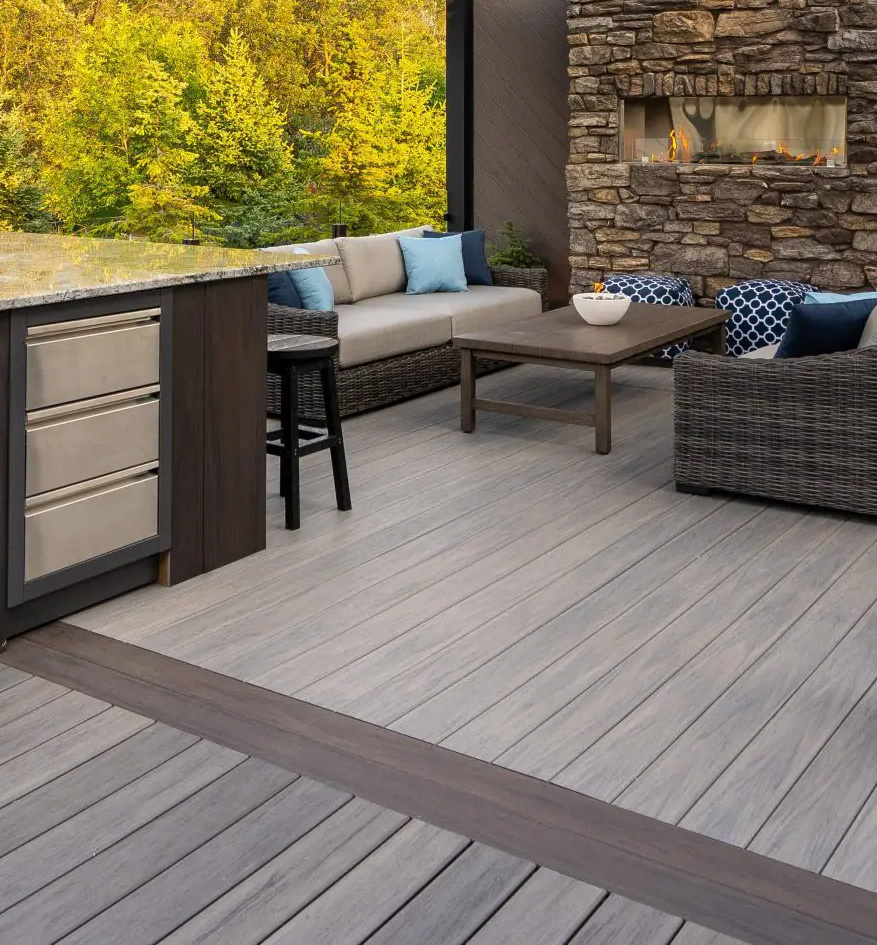
Composite decking is a manufactured product, usually a blend of wood fibers and recycled plastic, pressed into boards that mimic the look of natural wood without being wood at all. It was designed specifically to address the weaknesses that come with real lumber outdoors.
In Winnipeg, both materials show up constantly on residential decks, but for different reasons. Wood tends to get picked by homeowners who want that classic look and are comfortable with upkeep, while composite gets chosen by people who want something that holds up without constant attention.
The material you choose affects more than just how the deck looks on day one. It shapes how much you’ll spend over the years on stain, sealant, repairs, and eventually replacement boards, which is really the bigger cost most people don’t think about until they’re a few summers in.
Durability in Winnipeg’s Climate
Winnipeg doesn’t have mild weather. Winters drop well below freezing, summers get hot and humid, and the swings between the two happen fast. That kind of climate is hard on any outdoor structure, but it affects wood and composite differently.
Wood expands and contracts with temperature and moisture changes, and over years of freeze-thaw cycles, that movement adds up. Boards can start to warp, cup, or crack, especially if they weren’t sealed properly before the first winter hit. Untreated end grain is often where the damage starts.
Composite handles those swings with a lot less drama. It doesn’t absorb moisture the way wood does, so it’s far less prone to warping or cracking from freeze-thaw stress. That doesn’t mean it’s indestructible, but it holds its shape and structure more consistently across seasons.
Moisture resistance is really the core difference here. Wood is a natural material that reacts to its environment, and composite was engineered specifically to reduce that reaction. If you’ve ever seen a wood deck a few years old with cupped boards or splitting at the edges, that’s usually what’s happening underneath.
Maintenance Requirements Over the Years
Wood Deck Maintenance
A wood deck needs consistent attention if you want it to last. Staining and sealing every year or two protects the wood from moisture and UV damage, and skipping that step is usually where problems start.
Beyond staining, homeowners should expect regular inspections for loose boards, popped nails, and soft spots that can signal rot underneath. It’s not a huge amount of work individually, but it adds up as a recurring task every season.
Composite Deck Maintenance
Composite decking is a different experience day to day. Most cleaning involves a hose, a mild soap, and occasionally a soft brush to clear off dirt or debris, nothing close to the staining routine that wood requires.
There’s no sealing, no annual refinishing, and no worrying about UV fading the way you would with untreated wood. That lower maintenance load is probably the single biggest reason people switch to composite after owning a wood deck for a few years.
Appearance and Long-Term Performance
Wood ages the way natural materials do. It weathers, greys, and shifts in tone over time, and depending on how it’s cared for, that aging can either look rustic and charming or just look neglected. A lot of that comes down to how consistently it gets maintained.
Composite decking holds its colour much more consistently. Because it’s manufactured with UV-resistant pigments built in, it doesn’t fade or discolour the way wood does, and it keeps a more uniform appearance year after year without any extra effort.
Neither look is objectively better, it really comes down to what you want your backyard to feel like. If you like the idea of a deck that changes character as it ages, wood delivers that. If you want something that looks the same in year eight as it did in year one, composite is the better fit. Browsing a few deck designs side by side is a good way to see how each material actually looks once it’s installed, rather than just picturing it in your head.
Comparing Long-Term Costs
Wood decking almost always wins on initial installation price. It’s a cheaper material to buy and, in most cases, cheaper to have installed compared to composite. If your budget is tight right now, that upfront number matters.
The picture shifts once you factor in years of ownership. Running the numbers through a deck calculator first can give you a rough sense of how the two materials compare for your specific project size before you commit either way. With a wood deck, staining supplies, sealant, occasional board replacement, and the labour involved in keeping it looking good all add up. Those costs can come back every couple of years for as long as you own the deck.
Composite costs more to install but sheds most of those recurring expenses. No annual staining, fewer repairs, and a longer lifespan before boards need replacing at all. For homeowners planning to stay in their house for a decade or more, composite usually ends up being the better financial decision even though it costs more on day one.
Choosing the Right Decking Material for Your Home
There’s no universal right answer here, it depends on what you’re actually looking for. Budget matters, but so does how much time you’re willing to spend on maintenance and how long you plan to stay in the home.
If you enjoy the process of caring for a wood deck and like the way it ages, that’s a completely reasonable choice, and plenty of homeowners are happy with it for decades. If you’d rather spend your weekends doing anything other than sanding and staining, composite is probably going to save you a lot of frustration.
Either way, talking through the specifics with someone who installs both materials regularly makes the decision a lot easier. If you want to compare options based on your actual budget and how you use your backyard, feel free to reach out and get a straight answer on what makes sense for your home.