
A well-built deck can completely change how a backyard is used. It creates space for family gatherings, outdoor meals, and quiet evenings outside. Yet many homeowners focus almost entirely on decking materials, colours, and design features while overlooking one of the most important parts of long-term deck performance: waterproofing. The reality is that even a beautiful deck can begin deteriorating far sooner than expected if moisture is allowed to penetrate the structure beneath the surface.
Water damage is rarely dramatic in the beginning. It often develops slowly over several seasons, affecting areas homeowners never see during everyday use. By the time visible problems appear, moisture may have already weakened framing components, damaged fasteners, and shortened the life of the entire structure. Protecting a deck from water isn’t simply about preserving appearance. It is about protecting the investment that sits underneath every board and railing.
For homeowners working with experienced deck builders in Winnipeg, waterproofing should be considered part of the original plan rather than an upgrade that gets added later. The cost of prevention is usually far lower than the cost of repairing hidden moisture damage after it has spread through the structure.
Moisture is a Deck’s Biggest Problem
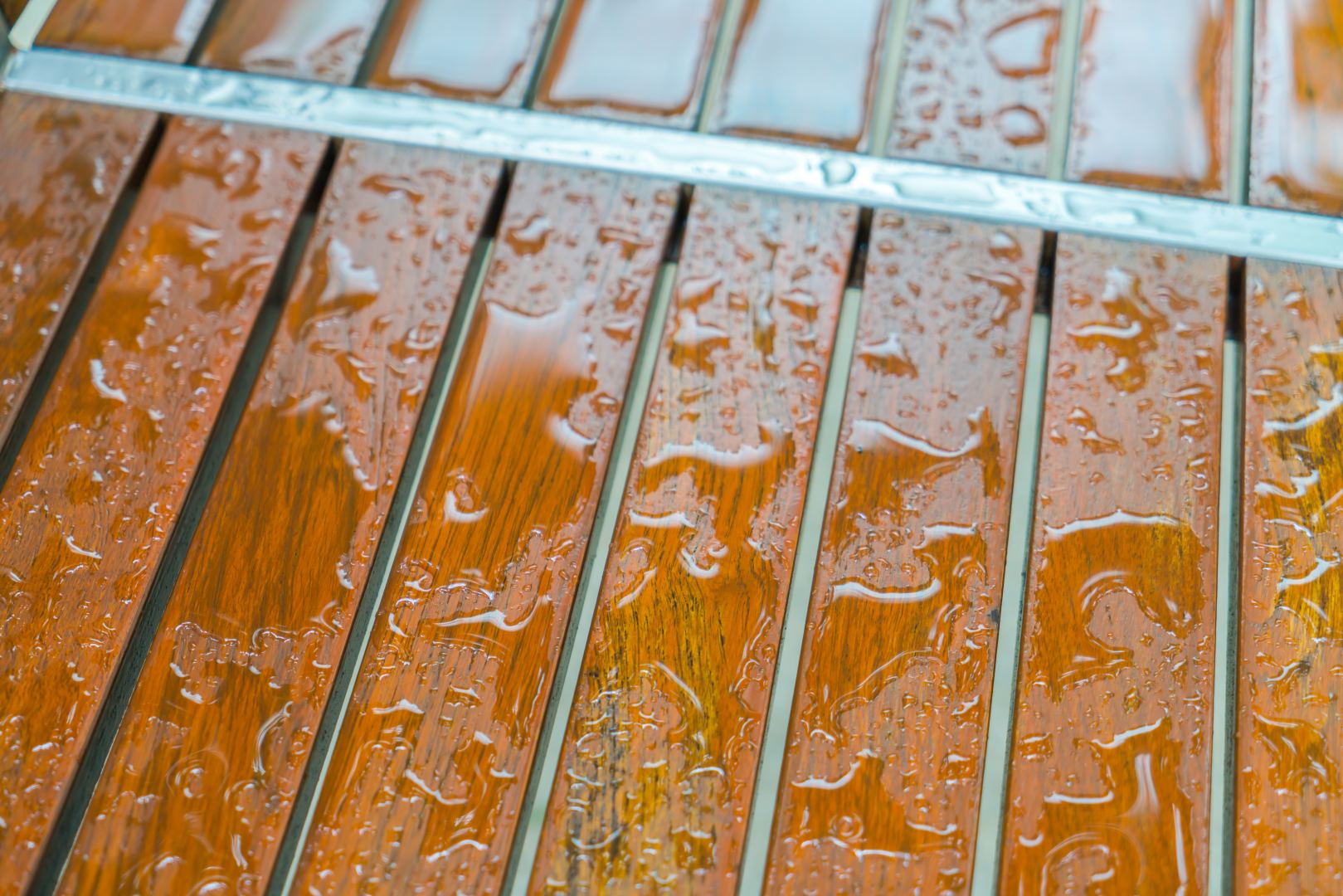
Decks face constant exposure to weather. Rainfall can soak deck surfaces repeatedly throughout the year, while melting snow often keeps materials damp for extended periods. Water naturally works its way into joints, gaps, fastener penetrations, and small cracks that develop over time. Once moisture reaches structural components, deterioration can begin even if the deck still appears perfectly healthy from above.
Winnipeg presents additional challenges because of its extreme seasonal conditions. Moisture that enters a deck structure during warmer months often freezes during winter. As water freezes, it expands and places stress on surrounding materials. Repeated freeze-thaw cycles can gradually enlarge cracks and create new pathways for moisture intrusion. Over several years, this process can significantly reduce the lifespan of an otherwise well-built deck.
Common Signs of Water Damage
Many homeowners assume water damage will be obvious, but early warning signs are often subtle. Soft spots underfoot, boards that feel less stable than they once did, or minor surface discoloration can indicate moisture-related issues developing beneath the surface. These symptoms are frequently dismissed because they appear minor at first.
Mold and mildew are also common indicators that excessive moisture is present. While some homeowners view these as cosmetic concerns, they often signal ongoing moisture exposure that may be affecting hidden structural components. Rot presents an even greater concern because it typically develops out of sight. By the time it becomes visible, significant damage may already exist within the deck framing.
Experienced deck builders often discover extensive structural deterioration during renovations, even when the surface boards still look relatively good. This hidden damage is one reason waterproofing deserves attention before problems begin.
What Happens When a Deck Is Not Properly Waterproofed
Without proper moisture protection, a deck becomes vulnerable to gradual structural decline. Water can penetrate framing members, weaken connections, and accelerate wood decay. Over time, components that were originally strong and stable may lose their ability to support weight effectively. The process is often slow, which is why many homeowners underestimate the severity of moisture-related issues until repairs become unavoidable.
The financial impact can be substantial. Replacing a few damaged boards is one thing, but rebuilding structural framing, replacing support components, or correcting widespread rot is far more expensive. Moisture problems tend to spread beyond the area where they first appear, increasing both labour and material costs. What could have been prevented through waterproofing may eventually require extensive reconstruction.
Safety should also be considered. Structural weakness isn’t always visible from above. Decks with hidden deterioration can become less stable over time, creating risks for family members and guests who use the space regularly.
How Deck Waterproofing Protects Your Investment
Waterproofing systems are designed to keep moisture away from vulnerable areas of a deck structure. Rather than allowing water to penetrate framing and support components, these systems create protective barriers that help direct moisture away from critical areas. This significantly reduces the opportunity for rot, mold growth, and structural deterioration to develop.
The benefits extend well beyond preventing major repairs. Waterproofed decks typically require less maintenance because moisture-related issues are minimized. Boards remain in better condition, framing stays protected, and the overall structure is more likely to perform as intended over the long term. Homeowners often focus on the upfront cost of waterproofing, but its value becomes clear when compared with the expense of major structural repairs years later.
Proper moisture protection also helps preserve appearance. Excessive water exposure can contribute to staining, warping, and premature aging. A deck that stays dry generally looks better and performs better throughout its lifespan.
Waterproof Membranes
One of the most effective methods of moisture control involves the use of waterproof membranes. These specialized systems create a protective layer that prevents water from reaching vulnerable structural components. Rather than allowing moisture to soak into the deck assembly, membranes help direct water away from the areas where damage is most likely to occur.
Many homeowners mistakenly assume that waterproofing only benefits the visible deck surface. In reality, the greatest value often comes from protecting what cannot be seen. The framing system beneath the deck determines how long the structure will last. When moisture is kept away from these components, the entire deck benefits.
Where Waterproof Membranes Deliver the Most Value
Elevated decks often benefit significantly from waterproof membranes because they are exposed to weather from above while containing structural components underneath that are vulnerable to moisture intrusion. Water that passes through the deck surface can affect framing, fasteners, and support systems if left unmanaged.
Rooftop decks also depend heavily on reliable waterproofing. In these situations, moisture protection is important not only for the deck itself but also for the building beneath it. Decks constructed above storage areas, garages, or living spaces face similar concerns. A properly installed waterproof membrane helps protect both the deck structure and the areas below.
Homeowners planning a new project can use a deck calculator to estimate overall construction costs, but waterproofing should always be viewed as part of the long-term protection strategy rather than an optional upgrade.
Choosing the Right Waterproofing System for Your Deck
Not every waterproofing product is suitable for every project. Climate conditions, deck design, material selection, and maintenance expectations all influence which system will perform best. A product that works well in a mild climate may not deliver the same results in regions that experience heavy snowfall and significant temperature fluctuations.
Material compatibility is another important consideration. Different decking systems interact differently with waterproofing products. Choosing a system that works well with the specific deck design helps maximize long-term performance while reducing maintenance requirements.
Durability should also be part of the evaluation process. Homeowners often focus on immediate costs, but the real value of waterproofing comes from how well it performs over many years of weather exposure. Selecting the right solution from the start can reduce future repair costs and help extend the life of the deck.
Waterproofing Matters for Composite and PVC Decking
Composite and PVC decking products are often promoted for their resistance to moisture, leading some homeowners to believe waterproofing is unnecessary. While these materials are certainly more resistant to water damage than traditional wood decking, they do not eliminate the need to protect the underlying structure.
Water can still reach joists, beams, connectors, and support systems beneath the decking surface. These structural components remain vulnerable even when the visible deck boards themselves resist moisture. As a result, the lifespan of the deck often depends more on the condition of the framing than on the condition of the decking boards.
Protecting the substructure helps maximize the value of premium decking materials. Investing in composite or PVC products while ignoring waterproofing can leave the most important parts of the deck exposed to unnecessary risk.
Don’t Wait Too Long to Waterproof a Deck
Many expensive deck repairs begin as relatively minor moisture issues. Small leaks, trapped moisture, and limited areas of water intrusion may not seem urgent at first, but they rarely remain isolated. Water has a tendency to spread, affecting a larger portion of the structure over time.
One of the most frustrating aspects of moisture damage is how long it can remain hidden. Homeowners often discover problems only after structural deterioration has progressed significantly. At that point, repairs may involve removing decking materials, replacing framing components, and addressing widespread damage that could have been prevented earlier.
Preventive waterproofing is generally a far more affordable approach than major reconstruction. Addressing moisture before damage occurs protects both the structure and the budget.
Get Professional Installation for Deck Waterproofing Projects
Even the highest-quality waterproofing products depend on proper installation. Small mistakes during preparation or application can reduce effectiveness and create vulnerabilities where water can enter. This is why professional installation often plays a major role in long-term performance.
Experienced installers understand how water moves across a deck surface and where moisture-related problems are most likely to occur. Areas around seams, transitions, fasteners, and edges require careful attention because these locations often become the starting points for future leaks. Proper preparation and installation help eliminate weak points that could compromise the system.
If you’re planning a new deck, upgrading an existing outdoor space, or exploring waterproofing options, Speak With Us to discuss solutions designed to protect your investment for years to come.