
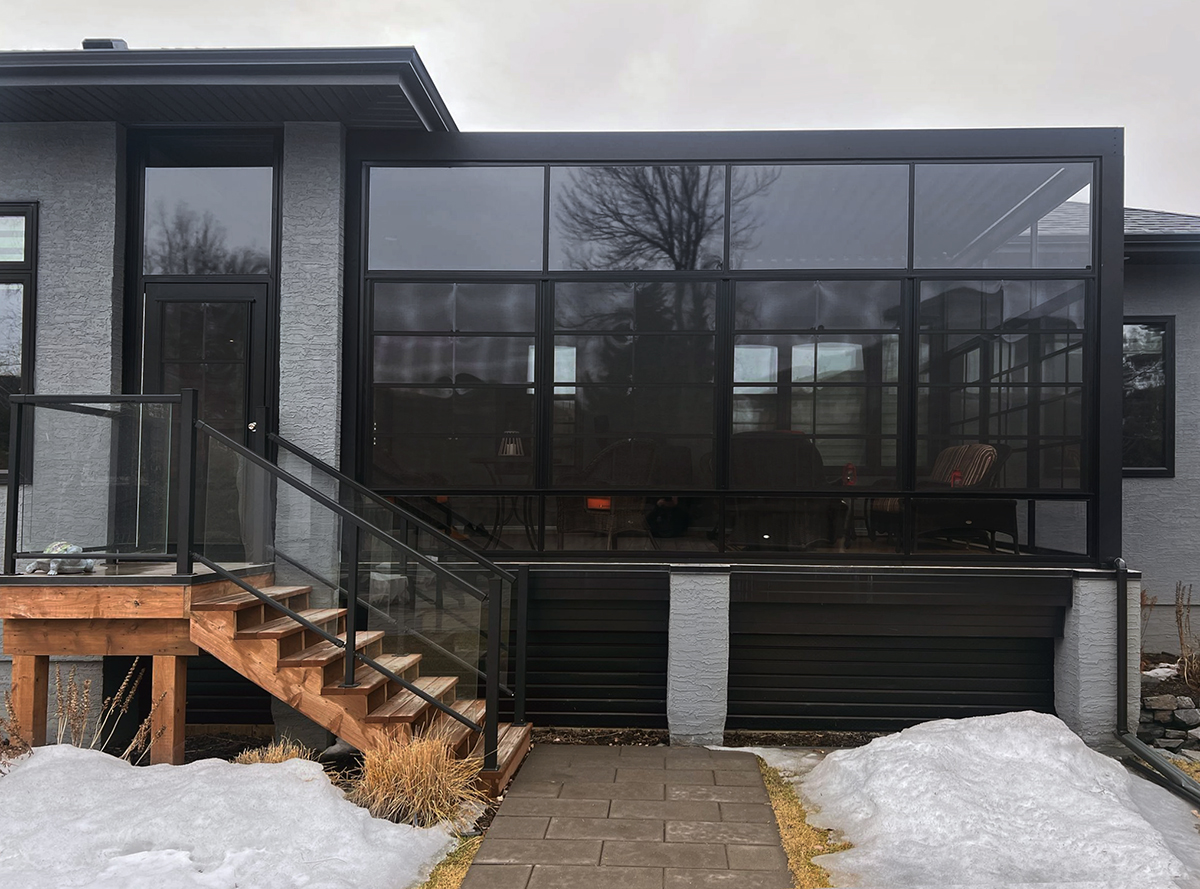
A three-season sunroom isn’t a deck with a roof. It’s a structure with walls, windows and a foundation. The City of Winnipeg treats it like an addition to your home. That means building permits, inspections and approval before you start.
The reason is simple. A sunroom affects your property’s structure, drainage, electrical systems and footprint. The city wants to make sure it’s built safely and meets code. Skipping permits doesn’t save you hassle. It creates bigger problems later.
At Windeck Ltd., we handle permits for every sunroom we build in Winnipeg. It’s part of the process, not a workaround we try to avoid.
What the Permit Process Actually Involves
Getting a permit isn’t as painful as you might think. It just takes time and some paperwork.
You submit plans showing the sunroom design, dimensions, foundation details and how it connects to your existing structure. The city reviews those plans to make sure everything meets building code. They check structural requirements, setbacks from property lines and drainage.
Once approved, you get your permit and can start building. During construction, the city conducts inspections at key stages. Foundation. Framing. Final completion. After final inspection and approval, you’re done.
Timeline: Permit approval typically takes a few weeks to a couple months depending on complexity and city workload.
At Windeck Ltd., we submit permits as part of our service. You’re not figuring this out alone.
What Happens If You Build Without a Permit?
Some people skip permits thinking they’ll save time and money. But this is a bad idea.
The city finds out. Neighbors report it. An inspector drives by. You get a stop-work order.
Now you’re dealing with fines, possibly tearing down work that doesn’t meet code and still needing to get a permit anyway. When you sell your home, the buyer’s inspector notices an unpermitted addition. Now it’s a disclosure issue. The sale can fall through or you’re forced to either get a retroactive permit or remove the structure.
Your insurance company denies a claim because the sunroom wasn’t permitted. Fire, storm damage, whatever. If it’s not legal, they’re not covering it.
The cost of fixing unpermitted work almost always exceeds what you would have spent doing it right the first time. We’ve all heard or seen homeowners deal with these situations. It’s never worth the risk.
How Long the Permit Process Takes
Permit timelines vary based on project complexity and city workload.
- Plan preparation: one to two weeks
- City review: two to six weeks
- Revisions if needed: one to two weeks
- Final approval: one week
You’re looking at roughly one to three months from submitting plans to getting approval. That doesn’t include construction time. That’s just the permit process. Can it be faster? Sometimes. Can it be slower? Absolutely.
Submitting complete, accurate plans the first time speeds things up. Missing information or code issues cause delays. At Windeck Ltd., we know what the city looks for. We submit clean plans that pass review without back-and-forth.
Costs Associated With Permits
Permits cost money, but it’s not the major expense. Permit fees in Winnipeg are based on project value. A typical three-season sunroom permit might cost a few hundred dollars.
That’s separate from design fees, engineering if required and additional inspection costs, if the construction continues to not pass.
What you’re actually paying for:
- City plan review
- Multiple inspections during construction
- Administrative processing
- Record keeping for your property
Some contractors quote prices that don’t include permits. Always ask if permit costs are included or separate. At Windeck Ltd., we’re transparent about all costs including permits. No surprises partway through.
Common Permit Issues and How to Avoid Them
Certain things cause permit delays or rejections.
Common problems:
- Sunroom too close to property line
- Inadequate foundation details in plans
- Missing structural calculations
- Drainage plan not clear
- Setback violations
Avoid these by working with someone who knows Winnipeg’s specific requirements. Property line setbacks are a frequent issue. Your sunroom needs to be a certain distance from your property line. That distance depends on your zone.
Measure carefully before designing. Verify your property lines. Don’t assume.
Foundation depth matters in Winnipeg. Frost protection is required. Shallow foundations get flagged.
If you’re adding electrical, that needs separate permits and inspections too.
At Windeck Ltd., we verify all this before submitting plans. We measure properties, check zoning and design to code.
How This Affects Your Project Timeline
Factor permits into your construction timeline. If you want a sunroom done by summer, start the permit process in late winter or early spring.
You can’t start construction until permits are approved. Framing before approval can mean stop-work orders and fines. Inspections need to happen at specific stages. You can’t pour your foundation and frame walls the same day. An inspector needs to see and approve the foundation first. This adds time. It’s not wasted time. It’s ensuring everything is built correctly.
Rushing permits leads to mistakes. Mistakes lead to delays, failures or rejections. Plan ahead. Be patient. Build it right.
Contact Us to Learn More about Getting A Permit for Your Project
Three-season sunrooms need permits in Winnipeg. Always. The process takes time but it’s manageable. The cost is reasonable. The protection it provides is worth it.
Building without a permit risks fines, insurance problems and issues when you sell. Work with a contractor who handles permits as part of their service. Let professionals who know the process manage the paperwork and inspections.
Your sunroom will be legal, safe and properly built. That matters more than saving a few weeks or a few hundred dollars.
At Windeck Ltd., we manage the entire permit process for sunrooms across Winnipeg. We submit plans, coordinate inspections and make sure everything passes.
Ready to start your sunroom project the right way? Let’s talk about your space and get the process moving.